
Economic Consequences of the Government’s Cement Tariff and Pathways Forward
By Marr Nyang
December 3, 2025
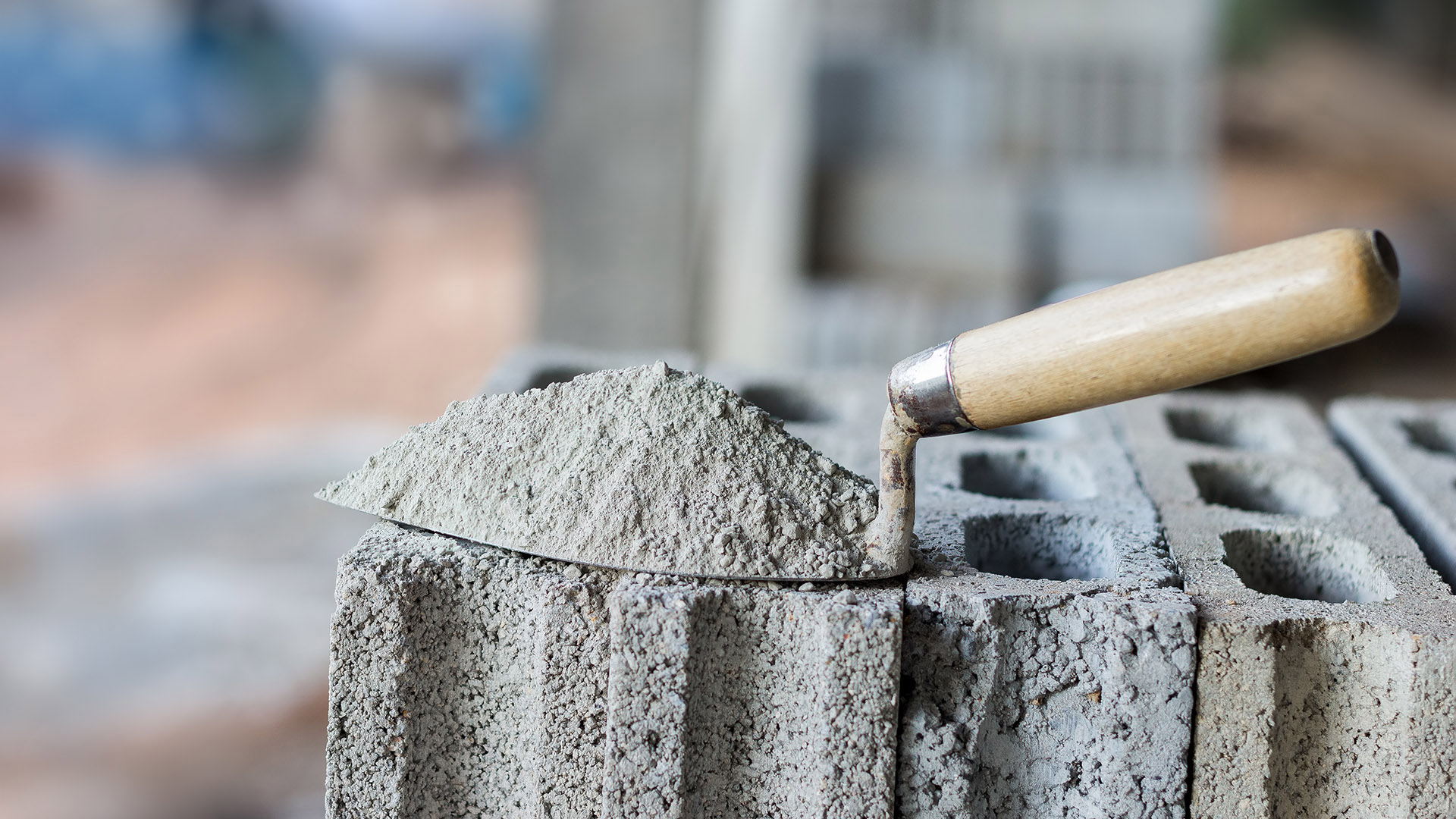
The government’s policy to increase the tariffs on the importation of bagged cement from D30 per bag to D180 in April 2024, was justified as a tool to protect the local cement industry and to promote the production of local cement. In actual sense, a country that has the raw materials (of cement) and the manufacturing capacity to meet and exceed national demand and sell at an affordable rate, this could be a reasonable policy.
As for the case of The Gambia, as a net importing country that lacks the raw material and manufacturing capacity to meet the high demand of cement, it took me over a year to ponder on the actual motive of this tariff hike. When this tariff came to effect, what followed is a series of cement scarcity, price inflation and thousands of mason labourers in and out of jobs, over a hundred truck owners and dozens of importers were forced out of business. Citizens also must pay more for a cement bag than the average price before the introduction of the cement tariff.
High percentage of mason labourers in the informal sector work on daily pay basis. Work, close and get paid on the spot. This is their main source of income where the next family meal is paid from, school lunch, cash power and medication. In the absence of cement, they will be plunged back to unemployment and poverty. Not because they choose to – but because a government policy that is supposed to protect their source of income and job security did the exact opposite.
As for the retailer, they rent a store and employ staff specifically for cement retail. When the cement product is unavailable, the retailer is at risk of revenue shortage, and the staff are also at risk of being furloughed – resulting to economic hardship. Stiff competition between manufacturers who bag and retail cement and local retailers means, manufacturers would possibly prioritize their retail stores if there were limited cement.
For businesses that have taken bank loan to construct projects, they are at risk of not meeting construction deadline and possibly extending the debt repayment, which could attract extra construction cost due to price inflation and the depreciation of the Dalasi.
For individual project owners, they are uneasily hoping that the cement price will not be inflated again. They will be left with minimal option; to either stop the project completely until the situation gets better or shoulder the price inflation – both options still unfavourable. This includes public officials behind the policy who are also engaged in construction projects.
For real estate companies, they could choose to pay the D180 tariff per bag to avoid project delay, incur more construction cost and flush the expenditure on the apartment rental fee/house sale.
For the diaspora community who immensely contributes and fund family development projects in the country, the unavailability of cement could potentially result to low remittances meant for the construction sector. This could slow down the economy and add fuel to the limited foreign currencies available in local banks.
For the government itself that embarks on macro projects (roads, high rise flats, etc.), their own policy, which created cement scarcity and inflation, means they must pay a higher price for it than initially budgeted – an additional financial burden on taxpayers. This will derail national development projects, slow down the economy and significantly affect circular economy in the construction industry.
I have heard repeatedly from manufacturers that their wholesale price remains the same (or with a little percentage increment) blaming the price inflation on local retailers. But why not? How much does retailers have to shoulder paying for the transportation of the cement, the rent fee, the meals and transportation of staff back and forth to cement bagging sites to follow up on their supplies? But also, is that not the Law of Supply and Demand? When an essential commodity is scarce and on high demand, the price will be inflated, especially in a country where prices of essential goods are not regulated.
It was the objective of the policymakers that this policy will encourage local production of bagged cement, however, nothing changed to date. Only 3 companies continue to import and bag cements in the country. So, was the policy rationale to create local competition or monopoly?
It is important to reemphasize that these local cement companies only “import and bag cement.” What this means is that the local companies are at the mercy of foreign cement manufacturers, if the manufacturer delays the supply or terminates the contracts of the local supplier, as we have witnessed earlier this year, there will be cement scarcity, the economy in the construction sector will be highly impacted, national projects halted, forced unemployment and poverty in many homes whose breadwinner’s main source of income is in the cement and/or construction industry.
Cement Tariff Impact (1 Year and 8 Months Later)
It has now been 1 year 8 months since this policy was formulated by the government and below are the impacts so far:
Cement price increased by 31% (in GBA), making it more expensive to venture into construction
Real estate fees surged due to expensive apartment construction/maintenance
Thousands of mason labourers’ income reduced (due to cement scarcity)
Hundreds of retailers’ revenue plunged during cement scarcity
Forced local cement importers and truck owners out of business
Dozens of businesses and individual construction projects halted, posing negative impact on national development projects and the economy
Long queue at cement factories after payment before retailers/distributors are supplied
Policy created monopoly of cement importation to 3 cement factories.
Possible decline in diaspora remittances meant for the construction sector
It is evident that this cement tariff, so far, has far reaching negative economic effects. Perhaps an unintended result from policymakers. Governments do get policies right, but they also do get it wrong, this is why policy review is done annually/quarterly or when the need arises to assess policy impact and take swift action or decision to repair the damages caused.
The cement tariff has been at the disadvantage to Gambian cement retailers, importers and most importantly to citizens (who matters the most).
Pathways Forward: Recommendations for the Government
What could be done by the Ministry of Trade and the Ministry of Finance to address this crisis?
Cement being an essential commodity, here is what I think are two reasonable recommendations for the government to consider:
Reconsider reducing the cement tariff from D180 per bag to D40. This would allow the resumption of bagged cement importation until the local cement industry is fully equipped to meet national demand.
Create the enabling environment for the creation of at least 8 cement importation and bagging companies. This would create price competition, neutralize monopoly and create at least 3000 new employments in the cement industry, complimenting government’s goal to create 150,000 by 2027.
With these two recommendations, if implemented, national development and individual projects could resume without intermittent halt due to unavailability of cement.
Labourers will get back to work, shift from below the poverty line, the construction cost will reduce, rental fee will probably go down, trucks and staff in the transportation of cements will regain their job, toll fees at the Senegambia breach will increase, diaspora remittances could increase and the government still benefits from this policy reverse.
For a developing country in this part of the world, cement is as important as a bag of rice!